Aiden, Harrah, Hope, Kate, May, and Megan!
Mary Reynolds Letters
The Mary Reynolds Letters are originally formatted as physical letters within the Carleton College archives of approximately 40 single- or double-leaf pamphlets. The letters have been transcribed into text documents, as linked above. The letters themselves have been scanned into our own Google Drive, Hope Yu’s computer, and shared with the Carleton archives. The Carleton College archives hold the rights for the physical letters. As Reynolds was writing in 1904-6, her work is inherently fair use. Within her letters, a few names are most prominent, including Luella Miner, a famous missionary in China since the late-nineteenth century whose own writing has already been published. Nellie Russell is another famous missionary whose book, titled Gleanings From Chinese Folklore, was published in 1915 posthumously with the forward written by Miner. In addition, Reynolds mentions a variety of her tutees by name, including a Japanese man named K. Nishida. We have yet to find any references to him. No sensitive data is located within these letters.
New York Times Article
The New York Times Article is a scanned article published in 1904. We have full right to publish this article on our website because all articles published before 1923 are in the public domain and thus are fair use. As Wikipedia’s explanation of fair use explains: “All works (excepting sound recordings) first published or released in the United States before January 1, 1930, have lost their copyright protection 95 years later, effective January 1, 2025.” The only person depicted in the New York Times article is Mary Reynolds. Her inclusion in this article provides a lot of necessary context that serves as a starting point for our project. The article does not provide enough information to cause any harm to Mary Reynolds or her descendants. One ethical concern that stretches beyond this article and into all aspects of our project is making sure to display with honesty Mary Reynolds’ often disparaging comments towards Japanese and Chinese people. Our number one priority is to accurately tell Mary Reynolds’ history without intercepting the reality of our twenty-first-century lens.
Additional Images
Supplemental images of each stop on Reynolds’s trip (circa 1904-1906) will be added to our storymap of her trip as part of the popup descriptions. All of the images are coming from Wikimedia, which is a public-access database of images. Most of the images will be over a century old, so it will be impossible to tell who is in the image. There also won’t be any ethical considerations involved because the images are public domain. All of the images are in .jpg format, which is compatible with ArcGIS.
Tokyo 1904: https://upload.wikimedia.org/wikipedia/commons/5/5b/Tokyo_ginza_street_1904.jpg
Yokohama 1904:
https://upload.wikimedia.org/wikipedia/commons/5/57/Oura-Nagasaki_1900.jpg
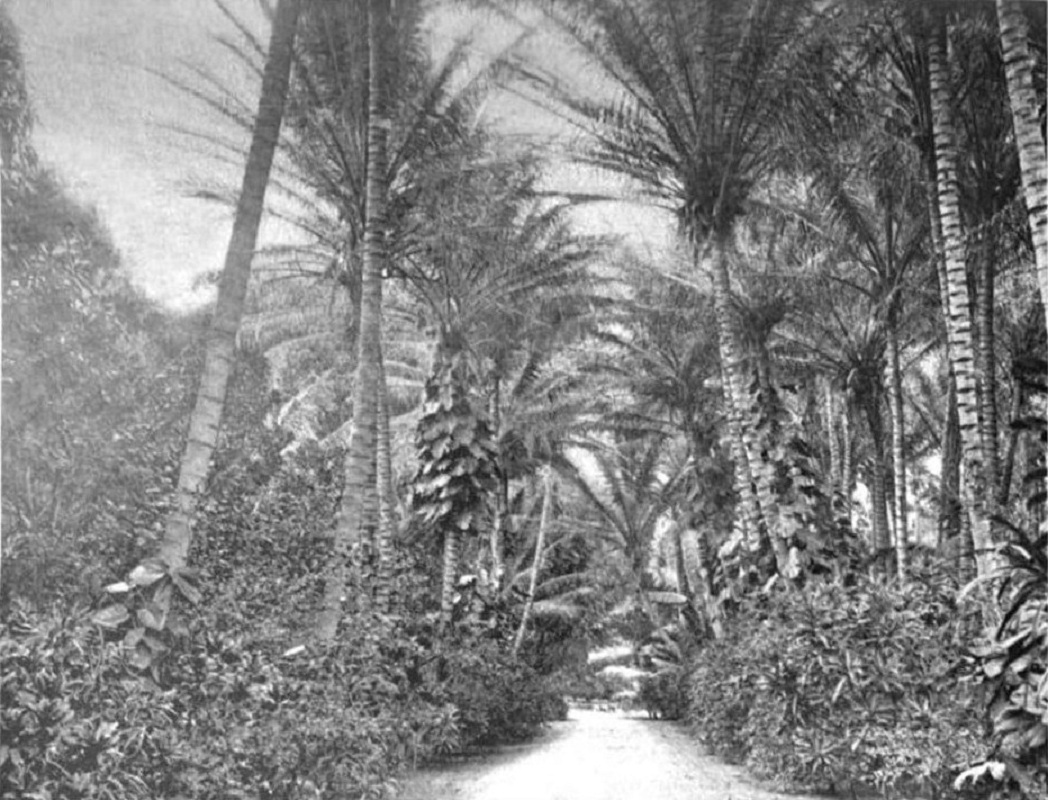
Honolulu 1904:
https://upload.wikimedia.org/wikipedia/commons/4/40/Entrance_to_Ainahau%2C_near_Honolulu%2C_residence_of_Princess_Kaiulani.jpg
Foochow 1905:
https://upload.wikimedia.org/wikipedia/commons/2/27/Foochow_morrison.jpg
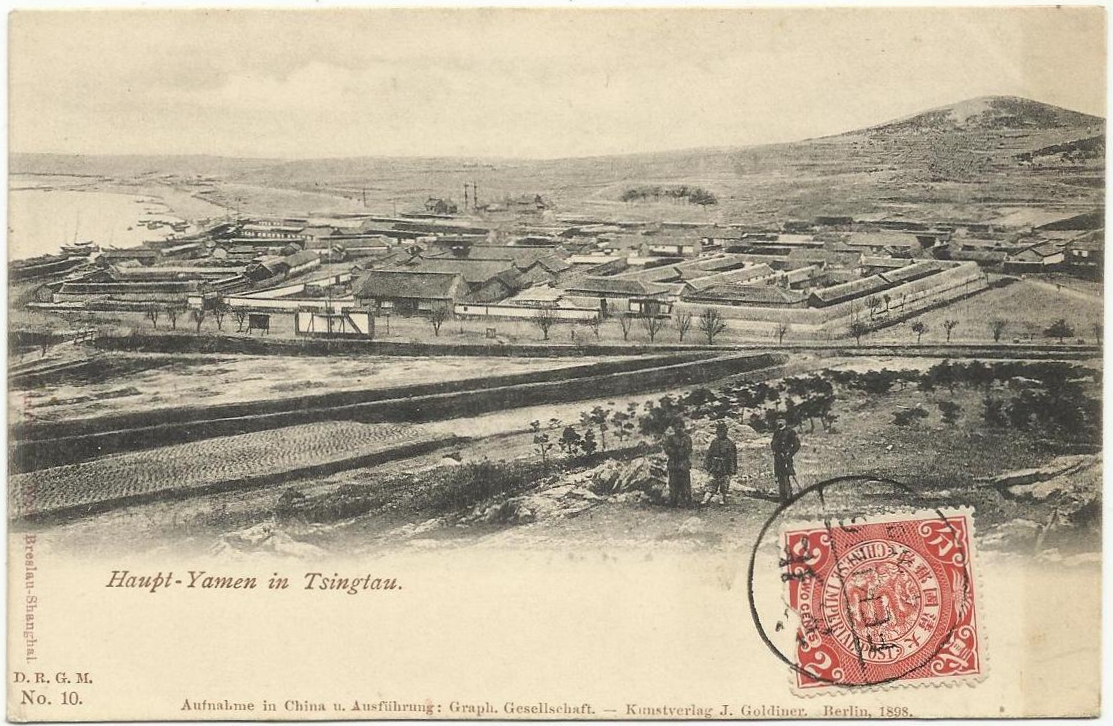
(Qingdao)Tsingtao 1905:
https://upload.wikimedia.org/wikipedia/commons/7/79/%E9%9D%92%E5%B2%9B%E6%80%BB%E5%85%B5%E8%A1%99%E9%97%A8_02.jpg
Shanghai circa 1900:
https://upload.wikimedia.org/wikipedia/commons/a/ad/China%27s_open_door%3B_a_sketch_of_Chinese_life_and_history_%281900%29_%2814761779974%29.jpg
Beijing (Peking) 1905:
https://upload.wikimedia.org/wikipedia/commons/a/a1/Peking.Chien_men–Circa_1905%28ChinaZeug.de%29.jpg